Pianosa Ferries
sideBarSearch.title
Pianosa Ferry
Pianosa Ferry
Sorry, this ferry route is not currently active.
Reaching Pianosa's Shores
Reaching Pianosa's Shores
The only way to reach Pianosa is by ferry from the island of Elba, with services departing from the port of Marina di Campo. The journey takes approximately one hour across beautiful Tyrrhenian waters. Visitors planning to explore Pianosa must first travel to Elba, accessible by ferry from mainland ports including Piombino (a one-hour crossing). The Pianosa ferry operates on a limited schedule with restricted visitor numbers to protect the island's delicate ecosystem. Advance booking is essential, especially during summer months when the limited daily spots fill quickly. Parking is available at Marina di Campo port if you're bringing a vehicle to Elba.
Pianosa: The Enchanting Isle of the Tuscan Archipelago
Pianosa: The Enchanting Isle of the Tuscan Archipelago
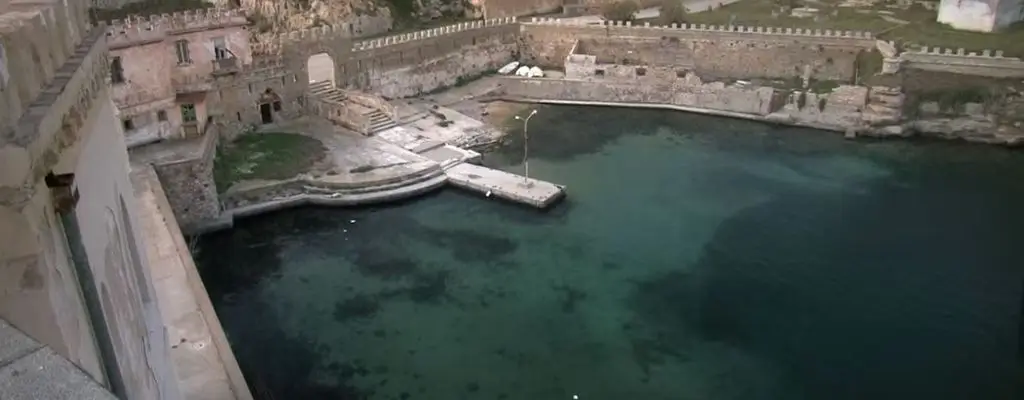
Nestled in the crystal-clear waters of the Tyrrhenian Sea, Pianosa is a hidden gem of the Tuscan Archipelago. This small, flat island (as its name suggests) offers a rare combination of pristine nature, fascinating history, and untouched Mediterranean landscapes. As a former prison island closed to the public until 1998, Pianosa has preserved its natural beauty in ways few Mediterranean destinations can claim, making it an extraordinary ferry destination for travelers seeking authentic Italian coastal experiences.
When to Experience Pianosa's Natural Splendor
When to Experience Pianosa's Natural Splendor
The ideal time to visit Pianosa is during the late spring (May-June) and early autumn (September-October) when temperatures are pleasantly warm but not scorching. During these shoulder seasons, the Mediterranean waters remain inviting for swimming while the island's flora displays either spring blossoms or autumn hues. Summer (July-August) offers the warmest weather and clearest waters for snorkeling in the protected marine reserve, but also brings more visitors to this capacity-controlled island. Ferry services to Pianosa run primarily from April through October, with reduced schedules or no service during winter months when rough seas can affect crossings.
Island Adventures from Pianosa
Island Adventures from Pianosa
Pianosa serves as a fascinating day trip destination within the Tuscan Archipelago network. From nearby Elba, the largest island in the archipelago, you can explore its rich Napoleonic history and beautiful beaches just an hour's ferry ride away. The stunning island of Giglio, with its crystalline waters and charming port town, can be reached by connecting ferries through Elba. For nature enthusiasts, the wild and rugged Montecristo island (famous from Dumas' novel) is occasionally accessible through special authorized tours. The Tuscan Archipelago offers a remarkable island-hopping experience, with each destination showcasing its own distinct character and natural beauty.
Exploring Pianosa's Untouched Wonders
Exploring Pianosa's Untouched Wonders
Pianosa offers unique experiences centered around its preserved natural environment and intriguing history. Join a guided walking or cycling tour to explore the abandoned prison complex and learn about its fascinating past from Roman times through its years as a high-security prison. Snorkel in the protected marine reserve that surrounds the island, home to an abundance of Mediterranean fish and vibrant underwater ecosystems rarely seen elsewhere. Visit the small archaeological museum showcasing Roman artifacts found on the island, including remnants of the Roman villa of Agrippa. For culinary experiences, enjoy fresh seafood at the island's only restaurant, serving dishes made with locally sourced ingredients and traditional Tuscan recipes that reflect the island's heritage.
Pianosa's Intriguing Secrets
Pianosa's Intriguing Secrets
Pianosa earned its name from the Italian word 'piano' meaning flat, as the island rises just 29 meters above sea level at its highest point, a stark contrast to its mountainous archipelago neighbors. The island served as a high-security prison until 1998, housing some of Italy's most notorious mafia criminals in complete isolation from the mainland. Pianosa appears in literature as the setting for Joseph Heller's famous novel 'Catch-22,' though the author took creative liberties with its geography. The waters surrounding Pianosa contain some of the Mediterranean's most intact Posidonia oceanica (seagrass) meadows, creating a crucial ecosystem that scientists consider the 'lungs of the Mediterranean.'
FAQ
FAQ