Santo Stefano Ferries
sideBarSearch.title
Santo Stefano Ferry
Santo Stefano Ferry
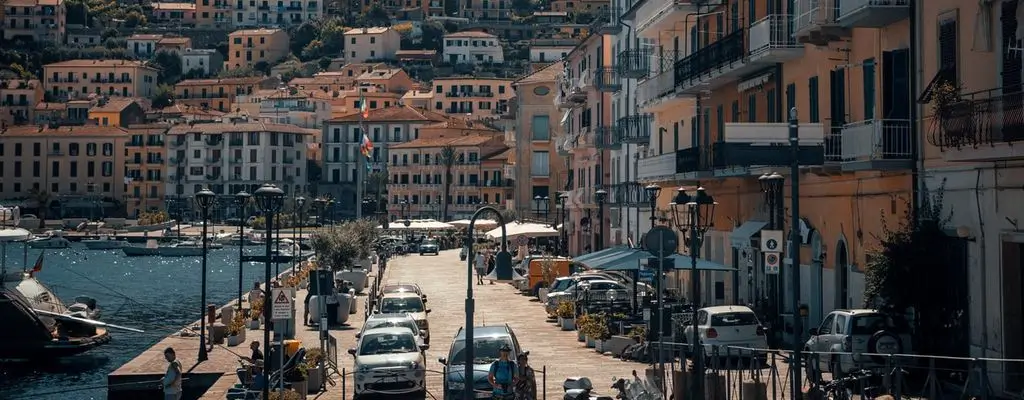
The port of Santo Stefano plays a key role in the ferry network of Italy, offering a convenient, scenic, and often essential way to connect with nearby islands. With 1 ferry routes operated by - ferry companies, Santo Stefano serves as a busy hub for both passenger and freight travel.
Ferries depart regularly from Santo Stefano, with schedules varying seasonally depending on demand, weather conditions, and tourism activity.
Popular routes from this port include - connecting Santo Stefano with key coastal and island destinations. Depending on the route, crossings can range from quick local hops to longer overnight journeys, often with a choice between high-speed ferries and traditional vessels.
Operators such as - run regular services from Santo Stefano, offering a range of onboard amenities including comfortable seating, food and drink options, cabins, and vehicle transport. Ticket options vary by company and vessel type, with choices to suit solo travellers, families, and business passengers alike.
Whether you're island hopping, heading home, or starting a new adventure, Santo Stefano offers a reliable and enjoyable gateway to the sea.
Route Overview
Route Overview
Routes
Date Updated: 2025
Reaching Santo Stefano by Sea and Land
Reaching Santo Stefano by Sea and Land
The journey to Santo Stefano typically begins from the Italian mainland, with regular ferry connections from ports like Formia, Terracina, and Anzio. From Rome, travelers can reach these departure ports in approximately 1.5-2 hours by train or car. The coastal town of Formia offers the most frequent connections, with convenient train service from Rome's Termini station. Public buses connect the train stations to the ferry terminals in each departure city. If arriving by car, long-term parking facilities are available near all the ferry terminals, though booking in advance is recommended during summer months. The ferry journey itself becomes part of the adventure, offering stunning views of the Tyrrhenian Sea.
Routes
Routes
Santo Stefano: A Hidden Gem in the Mediterranean
Santo Stefano: A Hidden Gem in the Mediterranean
Santo Stefano, a charming island in the Pontine archipelago, offers a tranquil escape from the bustling mainland of Italy. Set against the backdrop of crystal-clear waters and rugged landscapes, this small but captivating destination carries a rich history despite its modest size. As a ferry destination, Santo Stefano provides visitors with a glimpse into the past while surrounded by natural beauty. The island's peaceful atmosphere and historical significance create an unforgettable experience for travelers seeking something beyond the typical Italian itinerary.
When to Experience Santo Stefano's Magic
When to Experience Santo Stefano's Magic
The Mediterranean climate blesses Santo Stefano with mild winters and warm, sunny summers, making it accessible year-round. The peak season from June to September brings perfect swimming weather with temperatures averaging 26-30°C (79-86°F), though this coincides with larger crowds and higher prices. May and October offer a sweet spot with pleasant temperatures around 20-25°C (68-77°F), fewer tourists, and still-reliable ferry schedules. Winter months (November to March) bring cooler temperatures and occasional rain, with reduced ferry services but a peaceful atmosphere for those seeking solitude. The annual Festa del Mare in July celebrates the island's maritime heritage with boat processions and fresh seafood, making it a particularly lively time to visit.
Ferries to Santo Stefano
Ferries to Santo Stefano
Island Adventures from Santo Stefano
Island Adventures from Santo Stefano
Santo Stefano serves as an excellent jumping-off point to explore the other pearls of the Pontine archipelago. Venture to Ventotene, just a 10-minute ferry ride away, with its Roman port, ancient cisterns, and nature reserve famous for migratory birds. Ponza, reachable in about 40 minutes by ferry, enchants visitors with its pastel-colored buildings, grottos, and pristine beaches like Chiaia di Luna. For nature enthusiasts, Palmarola (approximately 1 hour by ferry) offers unspoiled landscapes, dramatic rock formations, and some of the clearest waters in the Mediterranean. The larger island of Ischia can be reached via connecting ferries, offering thermal spas and lush gardens for those seeking wellness experiences. These island-hopping opportunities make Santo Stefano an ideal base for exploring the diverse beauty of Italy's Tyrrhenian islands.
Experiences That Define Santo Stefano
Experiences That Define Santo Stefano
Santo Stefano's most compelling attraction is its imposing 18th-century prison, a horseshoe-shaped architectural marvel that once housed political prisoners and now stands as a fascinating historical site offering guided tours. The waters surrounding the island provide exceptional snorkeling opportunities, with vibrant marine life and remarkable visibility in the protected coves along the shoreline. Fresh seafood dominates the local cuisine, with specialties like 'polpo alla Luciana' (octopus stewed with tomatoes and olives) and 'alici marinate' (marinated anchovies) best enjoyed at the small family-run restaurants near the harbor. The circular path that winds around the island offers breathtaking panoramic views and can be walked in approximately two hours, revealing hidden coves and perfect sunset-watching spots. For history enthusiasts, the remnants of Roman villas and ancient cisterns scattered across the island provide glimpses into its storied past.
Intriguing Secrets of Santo Stefano
Intriguing Secrets of Santo Stefano
Santo Stefano's prison was designed following the panopticon concept, where a single watchman could observe all inmates without them knowing if they were being watched, a revolutionary approach to incarceration in the 18th century. The island once served as exile for political dissidents, including future Italian President Sandro Pertini, who was imprisoned here during the Fascist era. Marine biologists flock to Santo Stefano for its unique underwater ecosystem, which features several endemic species found nowhere else in the Mediterranean. Despite its small size (just 0.5 square kilometers), the island contains three distinct microclimates that support surprisingly diverse flora, including rare orchid species that bloom in spring.
FAQ
FAQ