Ceuta Ferries
sideBarSearch.title
Ceuta Ferry
Ceuta Ferry
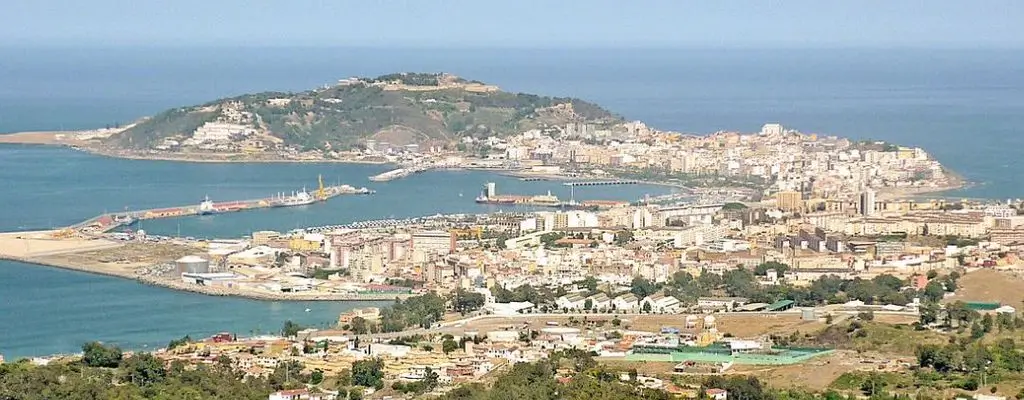
The port of Ceuta plays a key role in the ferry network of Spain, offering a convenient, scenic, and often essential way to connect with nearby islands. With 2 ferry routes operated by 3 ferry companies, Ceuta serves as a busy hub for both passenger and freight travel.
Ferries depart regularly from Ceuta, with schedules varying seasonally depending on demand, weather conditions, and tourism activity.
Popular routes from this port include Algeciras - Ceuta connecting Ceuta with key coastal and island destinations. Depending on the route, crossings can range from quick local hops to longer overnight journeys, often with a choice between high-speed ferries and traditional vessels.
Operators such as Balearia, FRS, Naviera Armas run regular services from Ceuta, offering a range of onboard amenities including comfortable seating, food and drink options, cabins, and vehicle transport. Ticket options vary by company and vessel type, with choices to suit solo travellers, families, and business passengers alike.
Whether you're island hopping, heading home, or starting a new adventure, Ceuta offers a reliable and enjoyable gateway to the sea.
Route Overview
Route Overview
Operators
Routes
Date Updated: 2025
Reaching Ceuta's Shores
Reaching Ceuta's Shores
The most common way to reach Ceuta is by ferry from mainland Spain, with regular services departing from Algeciras taking approximately 1 hour across the Strait of Gibraltar. From major Spanish cities, travelers can reach Algeciras by train or bus, Madrid is about 5-6 hours away by car or train, while Málaga is just a 2-hour drive. For international visitors, flying into Málaga or Gibraltar airports before continuing to Algeciras by road provides the most straightforward route. The ferry terminal in Ceuta is centrally located, with taxis and local buses readily available upon arrival. If driving to Algeciras, secure parking facilities are available near the port for both short and long-term stays.
Routes
Routes
Ceuta: Where Africa Meets Europe
Ceuta: Where Africa Meets Europe
Perched on the northernmost tip of Africa yet distinctly Spanish in character, Ceuta offers travelers a fascinating cultural blend unlike anywhere else. This autonomous Spanish city sits across the Strait of Gibraltar from mainland Spain, creating a unique enclave where European and Moroccan influences mingle seamlessly. The city's dramatic coastline, rich historical sites, and duty-free shopping make it an intriguing ferry destination. Visitors stepping off the boat will immediately sense Ceuta's distinctive atmosphere, a place where continents converge and centuries of maritime history come alive.
Ideal Seasons to Experience Ceuta
Ideal Seasons to Experience Ceuta
Ceuta enjoys a Mediterranean climate with mild winters and warm summers, making it a year-round destination. Spring (April to June) and autumn (September to October) offer the most pleasant temperatures, typically ranging from 18-25°C, perfect for exploring the city's outdoor attractions without the summer heat. July and August bring the warmest weather and attract the most visitors, particularly Spanish tourists during their holiday season. The annual Virgen de África festival in early August transforms the city with processions, music, and celebrations. Ferry services maintain consistent schedules throughout the year, though winter crossings occasionally face delays during rare periods of rough seas, and booking ahead is advisable during summer weekends when locals travel between mainland Spain and Ceuta.
Ferries to Ceuta
Ferries to Ceuta
Ferry Connections from Ceuta's Harbor
Ferry Connections from Ceuta's Harbor
Ceuta serves as a strategic gateway for travelers looking to explore both sides of the Mediterranean. The most frequent ferry connection links Ceuta with Algeciras in Spain, a bustling port city that serves as a jumping-off point for exploring Andalusia's white villages and the stunning Costa del Sol. From Algeciras, additional ferry connections can take you to Tangier in Morocco, allowing for an extended North African adventure just 45 minutes away by sea. The Spanish enclave of Melilla, another unique cultural fusion point along Morocco's northeastern coast, can be reached via connecting ferries. The journey across the Strait of Gibraltar itself is worth noting for its spectacular views where two continents meet and the Atlantic flows into the Mediterranean.
Unmissable Experiences in Ceuta
Unmissable Experiences in Ceuta
Ceuta's compact size belies its wealth of attractions, beginning with the impressive Royal Walls, a 16th-century fortification system that offers panoramic views across two continents. The Mediterranean Maritime Park designed by César Manrique features saltwater pools, gardens, and leisure areas perfect for relaxation after exploring. Foodies should sample the city's unique cuisine, which blends Spanish tapas traditions with Moroccan flavors, try local specialties like fish pastela or the sweet almond pastries in the central market. The pedestrian-friendly Calle Real shopping district tempts visitors with duty-free goods, while the atmospheric Medina quarter reveals Ceuta's North African heritage through its narrow winding streets and traditional crafts. Don't miss the striking contemporary architecture of the House of Dragons, with its colorful modernist façade that has become an unexpected city symbol.
Ceuta's Surprising Stories
Ceuta's Surprising Stories
Ceuta holds the distinction of being one of only two Spanish territories on the African continent, creating a unique EU outpost surrounded by Morocco. The city's coat of arms features the Portuguese royal shield, reflecting its history under Portuguese rule from 1415 until 1668, the longest period any territory remained under Portuguese control outside Portugal itself. Ceuta sits at the narrowest point of the Strait of Gibraltar, where legend says Hercules separated Europe from Africa by creating the Pillars of Hercules. Perhaps most unexpected is Ceuta's time zone curiosity, despite its geographical location, the city operates on Central European Time rather than Western European Time, meaning it shares the same time as mainland Spain despite being physically aligned with Portugal and Morocco.
FAQ
FAQ