Melilla Ferries
sideBarSearch.title
Melilla Ferry
Melilla Ferry
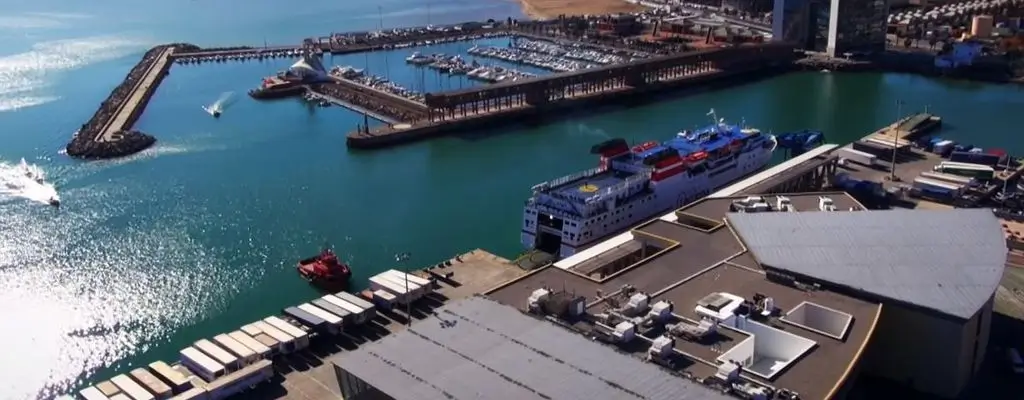
The port of Melilla plays a key role in the ferry network of Spain, offering a convenient, scenic, and often essential way to connect with nearby islands. With 2 ferry routes operated by 2 ferry companies, Melilla serves as a busy hub for both passenger and freight travel.
Ferries depart regularly from Melilla, with schedules varying seasonally depending on demand, weather conditions, and tourism activity.
Popular routes from this port include Almeria - Melilla connecting Melilla with key coastal and island destinations. Depending on the route, crossings can range from quick local hops to longer overnight journeys, often with a choice between high-speed ferries and traditional vessels.
Operators such as Balearia, Naviera Armas run regular services from Melilla, offering a range of onboard amenities including comfortable seating, food and drink options, cabins, and vehicle transport. Ticket options vary by company and vessel type, with choices to suit solo travellers, families, and business passengers alike.
Whether you're island hopping, heading home, or starting a new adventure, Melilla offers a reliable and enjoyable gateway to the sea.
Route Overview
Route Overview
Operators
Routes
Date Updated: 2025
Reaching Melilla by Land, Sea and Air
Reaching Melilla by Land, Sea and Air
Melilla is accessible via multiple transportation options, with regular ferry connections from mainland Spain being among the most popular choices. Ferries operate from Málaga, Almería, and Motril, with journey times ranging from 4 to 8 hours depending on the departure port and vessel type. The city is also served by Melilla Airport, with direct flights from major Spanish cities like Madrid, Barcelona, and Málaga. If traveling by car from Morocco, border crossings are available, though be prepared for potential queues. Public buses connect the ferry terminal to the city center, running approximately every 30 minutes throughout the day.
Routes
Routes
Melilla: Spain's North African Enclave
Melilla: Spain's North African Enclave
Nestled on the Mediterranean coast of North Africa, Melilla offers travelers a fascinating blend of European and Moroccan influences. This autonomous Spanish city boasts stunning modernist architecture, pristine beaches, and a rich multicultural heritage that reflects its unique position at the crossroads of continents. As a ferry destination, Melilla serves as an intriguing gateway between Europe and Africa, where visitors can experience the warmth of Mediterranean hospitality alongside distinctive North African flavors.
When to Experience Melilla's Mediterranean Magic
When to Experience Melilla's Mediterranean Magic
Melilla enjoys a Mediterranean climate with mild winters and warm summers, making it a year-round destination. The most pleasant months to visit are April to June and September to October, when temperatures hover between 20-25°C (68-77°F) and tourist crowds are thinner. Summer (July-August) brings warmer temperatures around 30°C (86°F) and livelier beach scenes, though ferry services can be busier and require advance booking. Winter remains mild with temperatures rarely dropping below 12°C (54°F), offering a pleasant escape from colder European climates. The city's Fiestas Patronales in September honors the patron saint with parades and celebrations, adding cultural richness to an autumn visit.
Ferries to Melilla
Ferries to Melilla
Ferry Connections from Melilla's Strategic Harbor
Ferry Connections from Melilla's Strategic Harbor
Melilla's port serves as a vital connection point to several appealing destinations. Regular ferry services link the city to mainland Spanish ports including Málaga (7-8 hours), with its vibrant cultural scene and historic center; Almería (6-7 hours), known for its impressive Alcazaba fortress and beautiful beaches; and Motril (4-5 hours), offering access to the stunning Sierra Nevada mountains. From Melilla, travelers can also explore nearby Moroccan coastal towns like Nador, just 15km away, where authentic North African markets and cuisine await. The ferry routes across the Alboran Sea offer spectacular views of the Mediterranean, especially during sunrise and sunset sailings.
Exploring Melilla's Cultural Mosaic
Exploring Melilla's Cultural Mosaic
Melilla's compact size belies its wealth of attractions, beginning with the remarkable Modernist architecture designed by Enrique Nieto, a disciple of Gaudí, visible throughout the city center. The historic fortress of Melilla la Vieja offers four distinct levels of exploration, with museums, tunnels, and panoramic views across the Mediterranean. Culinary adventurers should sample the unique fusion of Spanish and Moroccan flavors at restaurants like La Muralla or Casa Juanito, where fresh seafood meets aromatic North African spices. The bustling Barrio del Real neighborhood invites visitors to experience local life, with its markets and authentic tapas bars. For relaxation, Playa de San Lorenzo offers golden sands just minutes from the ferry terminal, perfect for unwinding after arrival.
Melilla's Hidden Stories and Surprising Heritage
Melilla's Hidden Stories and Surprising Heritage
Melilla holds the distinction of having the largest concentration of Modernist buildings outside Barcelona, with over 500 structures in this distinctive architectural style. The city has been under Spanish control since 1497, making it one of Spain's oldest territories outside the Iberian Peninsula. Melilla is one of only two Spanish territories located on the African mainland (the other being Ceuta), creating a unique cultural environment where four religions, Christianity, Islam, Judaism, and Hinduism, have historically coexisted peacefully. The underground water cisterns beneath Melilla la Vieja, known as 'Los Aljibes,' represent an engineering marvel from the 16th century that continued functioning until the 1960s.
FAQ
FAQ